The Daubert Standard in California: Navigating Expert Admissibility in 2026
Updated: Jun 1
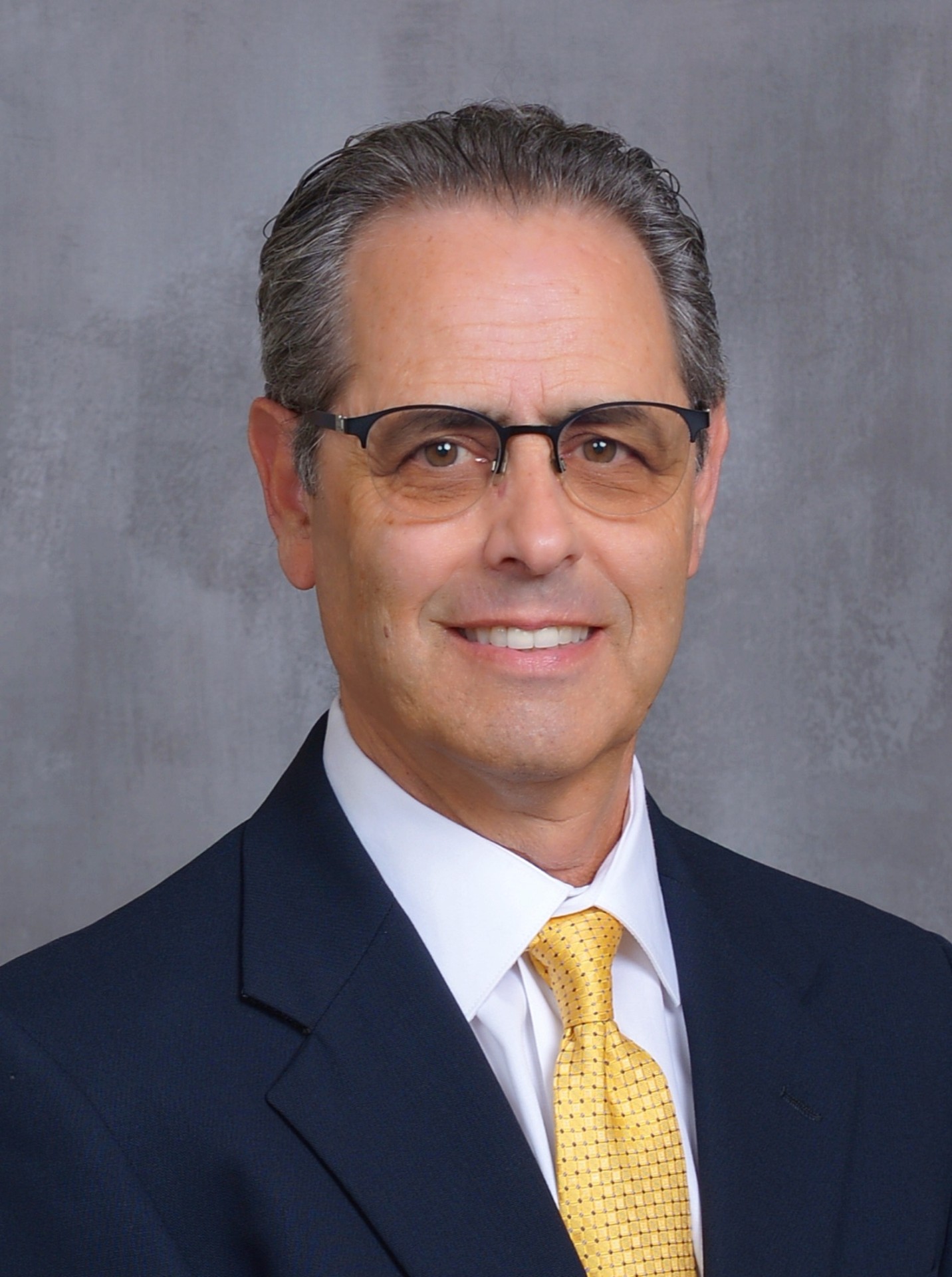
By Dr. Steven B. Ross, DC, FASBE, DAAPM
Chiropractic Physician | Fellow, American Academy of Applied Spinal Biomechanical Engineering | Diplomate, American Academy of Pain Management
Introduction
In California litigation, the admissibility of expert testimony often determines the outcome in personal injury and medical-legal cases. The challenge is to present biomechanical and clinical evidence in a way that satisfies both scientific rigor and legal standards. When essential biological evidence is at risk of exclusion due to procedural or methodological issues, the case may depend on a clear understanding of the Kelly rule for novel science and the gatekeeping standards set by Sargon Enterprises (2012). As a Forensic Biomechanics Expert and Medico-Legal Consultant with over forty years of clinical and forensic experience, I assist legal professionals in bridging this gap, ensuring scientific findings are accurately communicated as reliable, court-ready testimony.
Key Takeaways
Navigate the Standards: Differentiate between the Kelly standard for new science and the judicial gatekeeping authority granted by Sargon to protect medical evidence.
Counter the “Low-Speed” Defense: Ground legal strategy in biomechanical analysis to challenge the “Low-Speed Impact” defense.
Master Reliability: Use California’s standards for expert reliability to ensure testimony can withstand rigorous scrutiny.
Methodological Clarity: Use a systematic approach to link spinal trauma and soft tissue injury with credible, scientifically validated testimony.
Vetting Checklist: Use a practical checklist to verify that the expert’s methodology is both scientifically valid and legally defensible.
Table of Contents
Understanding the Admissibility Landscape: Daubert vs. Kelly in California
The Sargon Shift: California’s Reality on Admissibility
Biomechanical Analysis Through the Microscope
How to Qualify Your Expert: A Practical Checklist for 2026
Methodological Clarity in Forensic Testimony
1. Understanding the Admissibility Landscape: Daubert vs. Kelly in California
California courts operate under a distinct legal standard for admitting expert evidence. While federal courts apply the Daubert standard, California follows the precedent in People v. Kelly (1976) for new scientific evidence [1]. The Kelly standard requires that innovative scientific techniques be widely accepted within the relevant field before they can be admitted. Conversely, Daubert examines the methodology, peer review, error rates, and testing procedures.
California’s approach is a hybrid: the Kelly rule regulates new methods, while the Sargon decision (2012) allows judges to exclude testimony that lacks logical or scientific support—even if the field itself is accepted [2]. This means an expert’s credentials alone are not enough; the reasoning and methodology must be transparent and dependable.
When Does the Kelly Standard Apply?
The Kelly rule is only triggered by “new” or “novel” techniques. Biomechanical analysis usually avoids Kelly review because the basic principles of physics and biomechanics are well-established [1]. However, the expert must prove that their use of these principles is not speculative.
2. The Sargon Shift: California’s Admissibility Reality
The Sargon Enterprises, Inc. v. USC (2012) decision marked a turning point for California expert testimony. Judges now act as gatekeepers, excluding opinions based on speculation or unsupported conclusions [2]. Sargon clarified that a logical, evidence-based link must exist between the data and the expert’s opinion.
California Evidence Code 801 and 802:
§801: Limits testimony to information that an expert can reasonably rely on [3].
§802: Requires the expert to clearly explain the reasons for their opinion, ensuring there are no “analytical gaps” [4].
3. Biomechanical Analysis Through the Microscope
Biomechanics applies mechanical principles to living organisms, especially in motor vehicle accident litigation. Defense strategies often aim to minimize injury claims by emphasizing vehicle damage, such as the saying “no crush, no cash.” California courts require that the expert’s methodology establish a scientifically validated connection between impact forces and physical injury.
Common Challenges:
Credential debates (MD vs. PhD/DC)
Dependence on incomplete or poor-quality data
“Garbage In, Garbage Out” (GIGO) principle
Analytical gaps between force analysis and injury diagnosis
Responding with Scientific Evidence: The “low-speed impact” defense is supported by peer-reviewed research. For example, Brault et al. (1998) found that significant whiplash symptoms can occur at velocity changes as low as 2.5 mph [5]. Linking biomechanical findings to individual clinical records and referencing literature from sources such as the Journal of Biomechanics ensures compliance with California standards.
4. How to Qualify Your Expert: Practical Checklist for 2026
Expert qualification demands both scientific rigor and forensic experience.
California-Specific Experience: Confirm testimony in multiple California jurisdictions, showing familiarity with local standards.
Methodological Transparency: Confirm use of peer-reviewed data and validated studies.
402 Hearing: Present methodology as a biological fact, backed by strong data. Judges assess qualifications and reliability under Evidence Code §402 [6].
Expert Disclosure: Disclose testimony substance by statutory deadlines; ensure opinions are based on current standards of care.
5. Clarity of Methodology in Forensic Testimony
With over 44 years of clinical and forensic experience, I establish a foundation that links complex spinal biomechanics with the real-world presentation of soft tissue injuries. Explaining complex trauma through a narrative that jurors can understand is vital detailing how a specific collision affects structural integrity and long-term health.
My systematic approach leverages data-driven insights to create a clear roadmap for the jury, guiding them from the moment of impact to the long-term effects of spinal injury. This clarity removes confusion and stops the opposition from obscuring facts with pseudo-science.
Frequently Asked Questions
Does California follow the Daubert standard or the Kelly standard?
California applies the Kelly rule to new scientific evidence and the Sargon decision to evaluate general expert testimony. Evidence Code §§801 and 802 ensure that only reliable, non-speculative science is admitted [1][2][3].
What is the Sargon standard in California?
Sargon requires judges to exclude expert opinions that are speculative or lack a logical connection between data and conclusion [2].
Can a biomechanical expert testify about injury causation?
A biomechanical expert in California typically provides testimony regarding forces and mechanisms of injury. Causation diagnosis is generally reserved for medical doctors, while biomechanical experts analyze physical forces and G-loads [7].
What is a 402 hearing for an expert witness?
A 402 hearing is held outside the jury’s presence to determine admissibility by examining qualifications and reliability under Evidence Code §402 [6].
How can an attorney challenge an opposing expert under California law?
Challenges are initiated by a motion in limine, often based on the Sargon ruling. Analytical gaps between data and conclusions may lead to exclusion.
Is biomechanical analysis considered 'new scientific evidence' under Kelly?
Biomechanical analysis is not usually regarded as “new” or “novel” under Kelly; established principles of physics and biomechanics do not meet the three-pronged test [1].
What are the qualifications for an expert witness in a California spinal trauma case?
An expert must possess “special knowledge, skill, experience, training, or education” under Evidence Code §720 [7], with extensive clinical and forensic experience.
How has the Sargon ruling changed expert depositions in 2026?
Sargon has increased scrutiny of the “analytical gap.” Experts are now required to defend their methodology as a clear, logical process, not just a collection of subjective opinions [2].
References
People v. Kelly (1976) 17 Cal.3d 24.
Sargon Enterprises, Inc. v. University of Southern California (2012) 55 Cal.4th 747.
California Evidence Code § 802.
Brault, J.R., et al. (1998). "Clinical response of human subjects to low-speed rear-end collisions." Archives of Physical Medicine and Rehabilitation, 79(1), 72-80.
California Evidence Code § 402.
California Evidence Code § 720.
About the Author
Dr. Steven B. Ross, DC, FASBE, DAAPM, is a chiropractic physician, spinal biomechanical injury analyst, independent medical examiner, and expert witness with more than 40 years of clinical experience. His work focuses on spinal injury causation, biomechanics, soft-tissue trauma, injury mechanism analysis, chiropractic standard-of-care review, and forensic case evaluation.
Through his writing, Dr. Ross helps healthcare professionals, attorneys, insurance professionals, and injured individuals better understand how traumatic forces, human tissue tolerance, and injury causation relate.
Professional Inquiries
For case reviews, biomechanical analysis, independent medical examinations, expert witness consultation, deposition testimony, trial support, or clinical consultation.
Dr. Steven B. Ross
Phone: (858) 544-1494
Website: www.DrStevenRoss.com
Practice Areas: Spinal Biomechanics • Injury Causation Analysis • Independent Medical Examinations • Soft-Tissue Injury Evaluation • Chiropractic Standard-of-Care Review • Expert Witness Consultation and Testimonysis


Comments