Forensic Biomechanics Expert & Medico-Legal Consultant: Bridging the Gap Between Scientific Facts and Legal Strategies
Updated: Jun 1
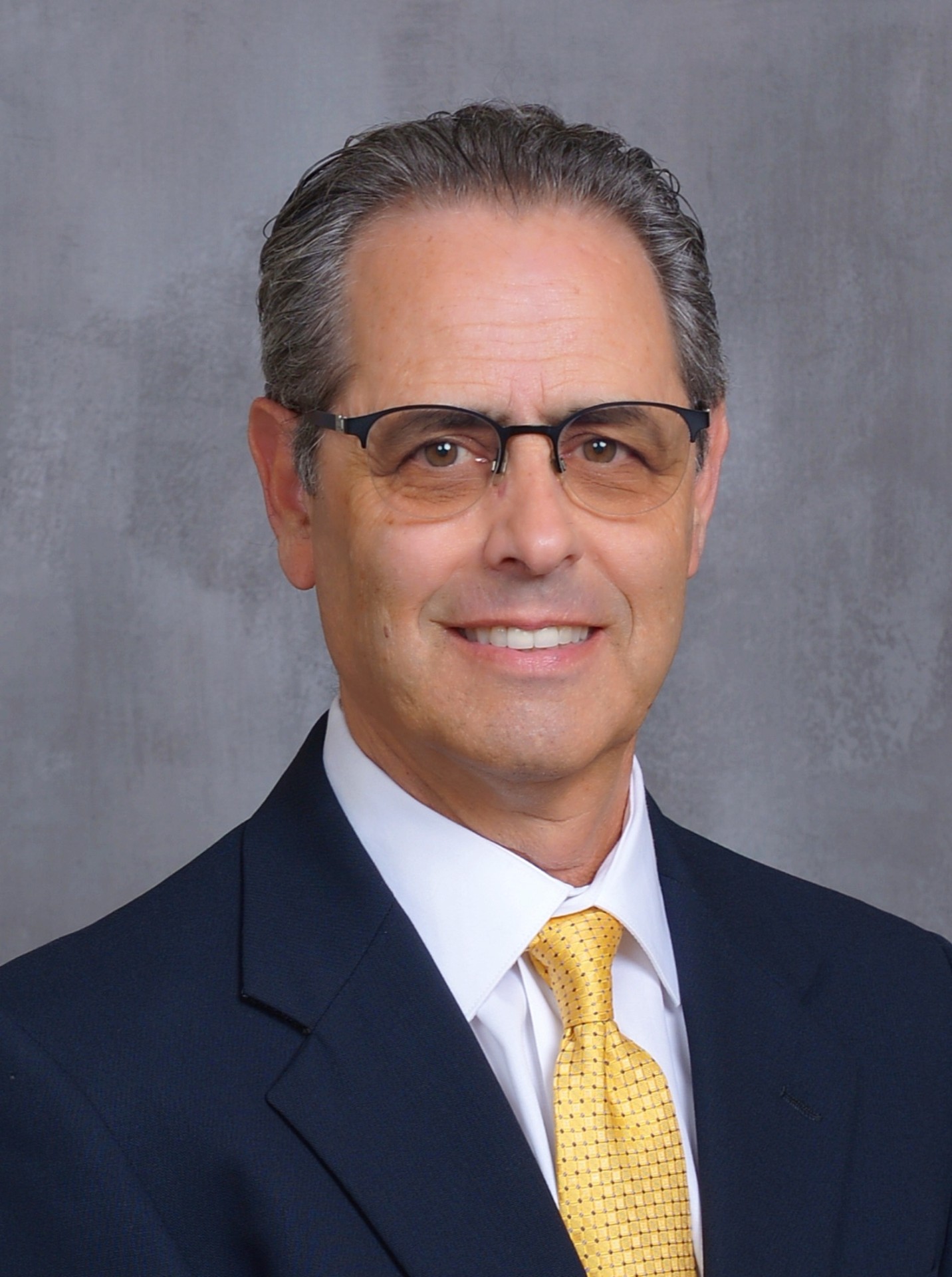
By Dr. Steven B. Ross, DC, FASBE, DAAPM
Chiropractic Physician | Fellow, American Academy of Applied Spinal Biomechanical Engineering | Diplomate, American Academy of Pain Management
In today’s legal climate, personal injury cases increasingly rely on translating clinical and biomechanical data into a clear, defensible narrative that meets modern admissibility standards for expert evidence.1 Conflicting medical records, incomplete imaging, and vague causal explanations often result in lower settlement offers or motions to exclude expert testimony on reliability grounds. When the clinical facts seem straightforward, defense counsel may challenge the scientific basis of alleged mechanisms of injury (MOIs), causing confusion among jurors and legal professionals.
As a Forensic Spinal Biomechanics and Soft Tissue Expert and Medico-Legal Consultant with over 44 years of clinical, diagnostic, and forensic experience, my role is to provide evidence-based analysis that links trauma mechanics, tissue response, and documented injuries in a manner that withstands judicial review.2 Forensic injury biomechanics relates external mechanical forces to the disruption of specific anatomical structures and uses injury criteria, risk functions, and epidemiologic data to address both general and specific causation in litigation.2,3
A medical record is a vital starting point, but determining causation and MOI requires specialized expertise to integrate kinematic reconstruction, tissue biomechanics, and clinical findings in a manner that aligns with the rules of evidence and relevant case law. Trial courts in California now play a strong “gatekeeping” role, requiring expert opinions to be based on methods and reasoning that logically connect the data to the conclusions.¹ This guide explains how to turn physical trauma into forensic evidence by combining advanced spinal biomechanical and soft tissue principles with structured medico-legal review, ensuring clarity, reliability, and legal relevance.2-4
Key Takeaways
• Bridge the Gap: Forensic spinal biomechanics connects complex clinical data with legal advocacy, anchoring cases in objectively modeled biological and mechanical facts that meet evolving standards for expert evidence. 1-3
• Biomechanical Decoding: Biomechanical analysis employs physics, force vectors, occupant kinematics, and injury criteria to identify injury mechanisms and differentiate acute traumatic lesions from pre-existing or degenerative findings. 2-4
• Strategic Record Review: Performs targeted analysis of clinical histories, imaging, and incident data, combined with crash reconstruction and known injury patterns to support specific causation opinions. 2-4
• Courtroom Momentum: Complex biomechanical and medical concepts are conveyed through clear, unbiased testimony that meets expectations for transparent, evidence-based expert opinion.1,5
• Expert Credentials: Decades of clinical, biomechanical, and medico-legal experience, supported by relevant specialty training, are used to synthesize current science into authoritative, case-specific conclusions.5
Table of Contents
1. What are Medico-Legal Consulting Services in California?
2. Spinal Biomechanical and Soft-Tissue Analysis: The Foundation of Injury Litigation Consulting
3. The Strategic Importance of Comprehensive Medical Record Review
4. Trial and Deposition Support: Clarifying Science for the Jury
5. Selecting the Right Forensic Biomechanics Expert: The Dr. Ross Advantage
1. What are Medico-Legal Consulting Services in California?
California’s legal environment requires more than basic record summaries; it demands expert analysis of clinical and biomechanical evidence that can withstand rigorous gatekeeping under Sargon Enterprises, Inc. v. University of Southern California. 1 Courts emphasize a logical, non-speculative connection between underlying data and expert conclusions, empowering judges to scrutinize methodology and reasoning, not just credentials. 1,5
Medico-legal consulting in this setting integrates biomechanics, epidemiology, and imaging with the California Evidence Code to produce reliable, transparent opinions on causation and extent of injury.2,3 Forensic biomechanics links clinical data to the mechanical reality of trauma, ensuring that subtle physiological signs and mechanical plausibility are properly identified, quantified, and explained. 2,3
A strategic medico-legal consultant develops the evidentiary story from the outset of the case: early assessment of merit, collaboration with treating and forensic experts, and structured analysis of trauma timelines and mechanisms all support causation opinions consistent with current biomechanical science and legal standards. 1-3
Fundamental pillars of medico-legal advice
• Early Merit Evaluation: Confirming clinical validity and mechanical plausibility before major investment, using injury criteria, risk functions, and known injury rates.2,3
• Expert Coordination: Selecting specialists with advanced training in spinal biomechanics, soft tissue injury, pain management, and forensic injury analysis, consistent with emerging guidance on expert witness qualifications and conduct.5
• Trauma Timeline Analysis: Pinpointing when structural integrity was likely compromised by combining crash metrics (e.g., delta V), occupant kinematics, injury patterns, and imaging to match forces with observed lesions.2-4
2. Spinal Biomechanical and Soft-Tissue Analysis: The Foundation of Injury Litigation Consulting
The human body operates under consistent laws of physics. Collisions cause injury when external loads exceed tissue tolerance. Forensic spinal biomechanical analysis links vehicle impact to tissue-level injuries by tracking force vectors and occupant motion from the vehicle into the spine and soft tissues, often using validated models and injury criteria.2-4
Mechanism of Injury (MOI) decoding
Low-speed impacts are often disputed. Defense experts may interpret minimal vehicle crush as “no injury,” while plaintiffs might claim significant injury despite limited visible damage. Research indicates that the risk of spinal injury increases with impact severity, but there is no single universal injury threshold: risk depends on crash severity, loading direction, and occupant-specific factors.3,4 Chronic or degenerative changes can heighten vulnerability, and disc injuries caused by motor vehicle collisions are rare and usually linked to more severe trauma, highlighting the importance of case-specific biomechanical analysis.3
Quantitative tools—including deltaV estimation, stochastic kinematic models of head–neck motion, and objective imaging—help connect impact mechanics to likely injury mechanisms in a consistent, clear way.3,4
Spinal trauma and soft tissue integrity
Whiplash, ligamentous injury, and myofascial damage can be viewed as structural failures, with observable changes in joint laxity, stiffness, and function. Experimental evidence indicates that more severe impacts can alter intervertebral neutral zone properties, demonstrating soft-tissue injury even in the absence of catastrophic failure.⁴ Expert testimony explaining these phenomena in biomechanical terms—while acknowledging variability and the probabilistic nature of injury—supports reliability under California Evidence Code §§ 801–802 and Sargon’s requirement that conclusions logically follow from validated methods and data.1-3
3. The Strategic Importance of Comprehensive Medical Record Review
A successful legal strategy depends on objective, defensible evidence. A comprehensive medical record review is essential for forensic analysis and for meeting modern standards of expert witness reliability and ethics.5 By concentrating on documented clinical facts and linking them with biomechanical plausibility, medico-legal consultants pinpoint the true core of the injury, explore alternative explanations, and identify inconsistencies that could affect admissibility or significance.2,3
Inconsistencies and red flags
The treating physician’s therapeutic focus differs from the forensic expert’s analysis of causation. Forensic biomechanics emphasizes an objective connection between the injury mechanism and the injury itself, using injury criteria, imaging patterns, and epidemiologic data to assess whether the alleged trauma reasonably explains the findings.2-4 Common pitfalls—such as “cut-and-paste” EHR errors, undocumented gaps in care, or diagnoses unsupported by imaging or mechanism—are identified and explained to ensure opinions remain transparent and methodologically sound, consistent with Evidence Code § 802 and post-Sargon gatekeeping.1,5
Independent Medical Evaluations (IMEs)
IMEs serve as structured forensic tools that combine clinical examination with objective analysis. Professional guidance emphasizes a thorough review of the record, an impartial assessment, and testimony limited to one’s area of expertise.5 Well-designed IME protocols in spinal and musculoskeletal cases incorporate biomechanical concepts, imaging, and functional assessment to produce findings that are defensible, transparent, and aligned with California procedural rules and evolving expert-witness standards.2,3,5
4. Trial and Deposition Support: Clarifying Science for the Jury
The courtroom is where scientific facts meet judicial judgment. Effective expert testimony in forensic biomechanics requires both scientific accuracy and clear explanation. Courts expect experts not only to present their conclusions but also to detail the methods, assumptions, and reasoning that connect the data to those conclusions, in accordance with Sargon’s gatekeeping framework.
An experienced expert can translate concepts like deltaV, injury risk functions, and tolerance limits into clear language that helps judges and jurors understand why specific mechanisms are, or are not, consistent with the claimed injuries.2-4 Professional organizations also stress that experts should provide objective, well-supported, and specialty-appropriate opinions after thoroughly reviewing the record. 5
Mastering the deposition
Deposition strategy in forensic biomechanics benefits from the same analytical discipline used in modeling. Consultant-led questioning of opposing experts can expose unsupported assumptions, misuse of thresholds, or errors in reconstruction by systematically applying physical principles and current biomechanical literature. 2-4 Demonstrating an understanding of both the strengths and limitations of biomechanical models—and acknowledging uncertainty where it exists—enhances credibility and aligns with responsible expert witness practice.5
5. Selecting the Best Forensic Biomechanics Expert: The Dr. Ross Advantage
Choosing a forensic biomechanics expert is a vital strategic decision. Courts and professional organizations increasingly focus on qualifications, methodological transparency, and adherence to evidence-based practices.1-5 In this context, an expert who combines extensive clinical experience with advanced biomechanical training is well-equipped to integrate anatomy, pathophysiology, crash mechanics, and legal standards into clear, case-specific opinions.2-4
Based in California and consulting nationwide, Dr. Ross's credentials:
• Doctor of Chiropractic (DC) with over 44 years of clinical and forensic experience in spinal and soft tissue injuries.
• Fellow status in Applied Spinal Biomechanical Engineering (FASBE), indicating an advanced understanding of spinal mechanics and injury modeling.
• Diplomate status in Pain Management (DAAPM), supporting nuanced evaluation of permanent impairment, pain, and functional loss.
These qualifications align with published standards requiring expert witnesses to possess specialized knowledge, adhere to current scientific practices, and deliver objective, well-reasoned testimony.5 By basing opinions on peer-reviewed biomechanical research, epidemiologic data, validated modeling tools, and the California Evidence Code, Dr. Ross offers medico-legal consulting that is both scientifically rigorous and litigation-ready.2-4
Frequently Asked Questions
What does a forensic spinal biomechanics expert do in a personal injury case?
A forensic spinal biomechanics expert investigates the biological and mechanical details of a claim. I assess kinetic energy, tissue integrity, and the effects of the accident based on the claimant's age and physical makeup to show how the body’s integrity was impacted, linking physics and law.
How does spinal biomechanical analysis differ from a standard medical opinion?
Spinal biomechanical analysis emphasizes the laws of physics (kinetics and kinematics), while a standard medical opinion concentrates on diagnosis and treatment. My approach applies the laws of motion to identify the specific forces needed to cause structural damage, providing objective data about MOI.
Can a medico-legal consultant help with witness preparation for depositions?
Yes. I offer training that guides witnesses to speak from solid clinical knowledge, helping them testify confidently about their injuries with clarity and scientific support.
What is the cost structure for forensic spinal biomechanics consulting services in 2026?
Services follow a clear fee schedule, available upon request. A retainer is required before records review and comprehensive forensic analysis.
Do you provide consulting for both plaintiff and defense counsel?
Yes. I offer services to both sides, ensuring a balanced, authoritative, and objective perspective that maintains the integrity of clinical and biomechanical findings.
What geographic areas do your consulting services cover?
I provide consulting in California and nationwide, with testimony in multiple jurisdictions and high-definition video conferencing for clients no matter where they are.
How far in advance should I retain a forensic biomechanics expert for trial?
Ideally, retention should occur at least 180 days before trial to allow for a thorough review of medical records and biomechanical evidence and to integrate them into the legal strategy.
References
1. Knaier RG. A gatekeeper embraced: expert opinion testimony and the long road from Daubert to Sargon. 2013.
2. Hayes WC, Erickson MS, Power ED. Forensic injury biomechanics. Annu Rev Biomed Eng. 2007;9:55 86.³²
3. Kent R, Cormier J, McMurry T, et al. Spinal injury rates and specific causation in motor vehicle collisions. Accid Anal Prev. 2023;182:106953.
4. Kohles SS, McClaren JW. A stochastic model associating target vehicle delta V, occupant cervicocranial biomechanics, and injury during rear impact crashes. J Forensic Leg Med. 2022;90:102403.
5. Roberts P, Stockdale M. Forensic Science Evidence and Expert Witness Testimony. Routledge; 2018.
6. Chen Y. Current state and progress of research on forensic biomechanics in China. Forensic Sci Res. 2021;6(3):181 192.
7. Durante F. Tools and biomechanical modeling use in legal disputes: some case studies. Front Bioeng Biotechnol. 2019;7:427.
8. Zhang JK, Botterbush KS, Mercier P, Mattei TA. Expert witness testimony in spine surgery: guidelines and recommendations from professional organizations. Neurosurgery. 2022;91(6):762 769.
About the Author
Dr. Steven B. Ross, DC, FASBE, DAAPM, is a chiropractic physician, spinal biomechanical injury analyst, independent medical examiner, and expert witness with more than 40 years of clinical experience. His work focuses on spinal injury causation, biomechanics, soft-tissue trauma, injury mechanism analysis, chiropractic standard-of-care review, and forensic case evaluation.
Through his writing, Dr. Ross helps healthcare professionals, attorneys, insurance professionals, and injured individuals better understand how traumatic forces, human tissue tolerance, and injury causation relate.
Professional Inquiries
For case reviews, biomechanical analysis, independent medical examinations, expert witness consultation, deposition testimony, trial support, or clinical consultation.
Dr. Steven B. Ross
Phone: (858) 544-1494
Website: www.DrStevenRoss.com
Practice Areas: Spinal Biomechanics • Injury Causation Analysis • Independent Medical Examinations • Soft-Tissue Injury Evaluation • Chiropractic Standard-of-Care Review • Expert Witness Consultation and Testimonysis


Comments